
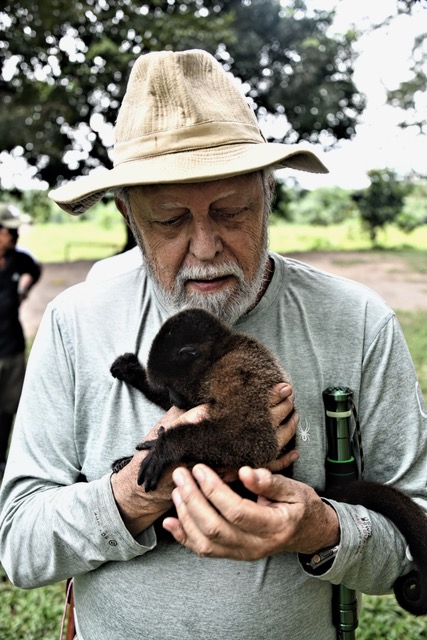
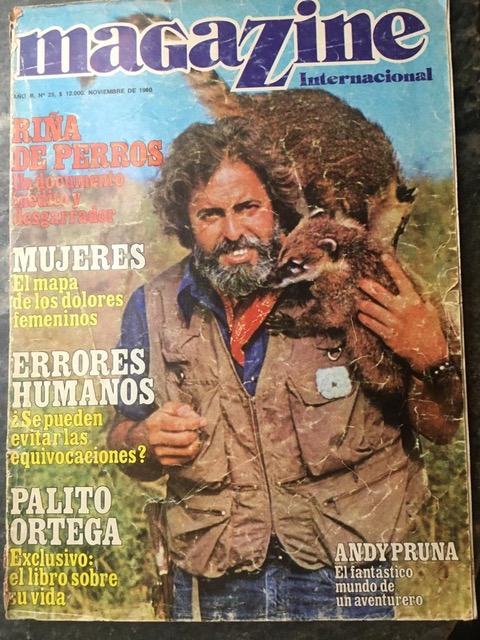
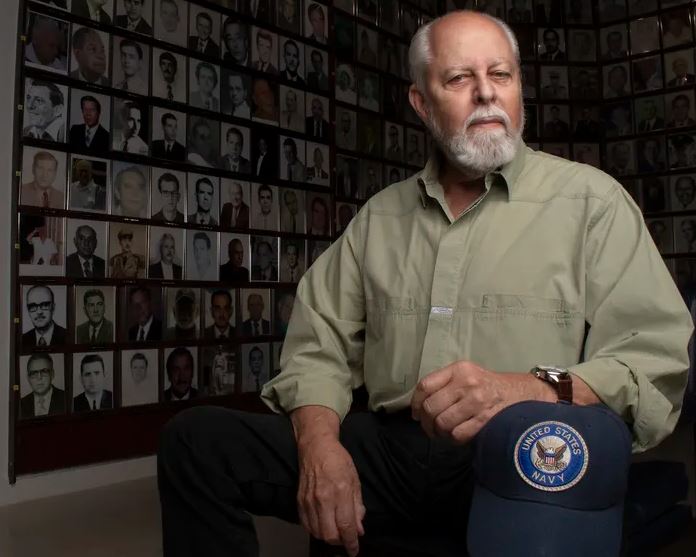
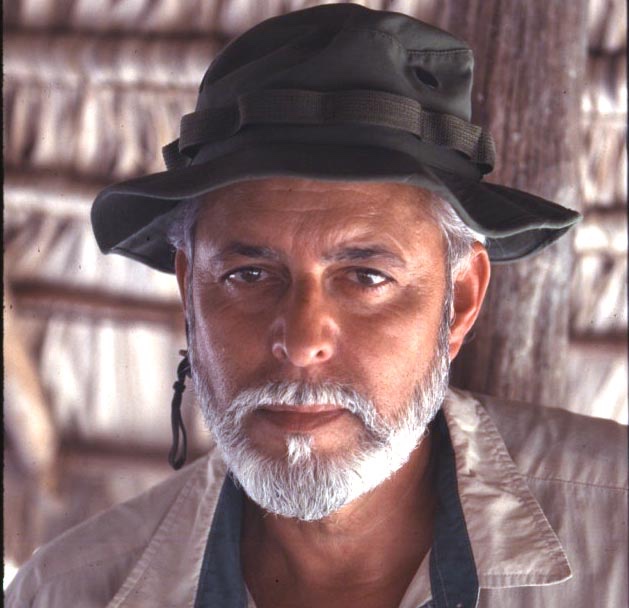
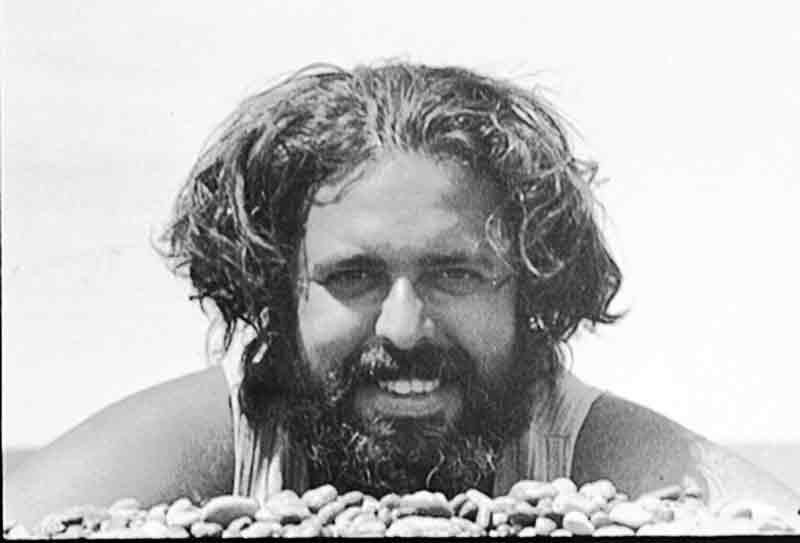
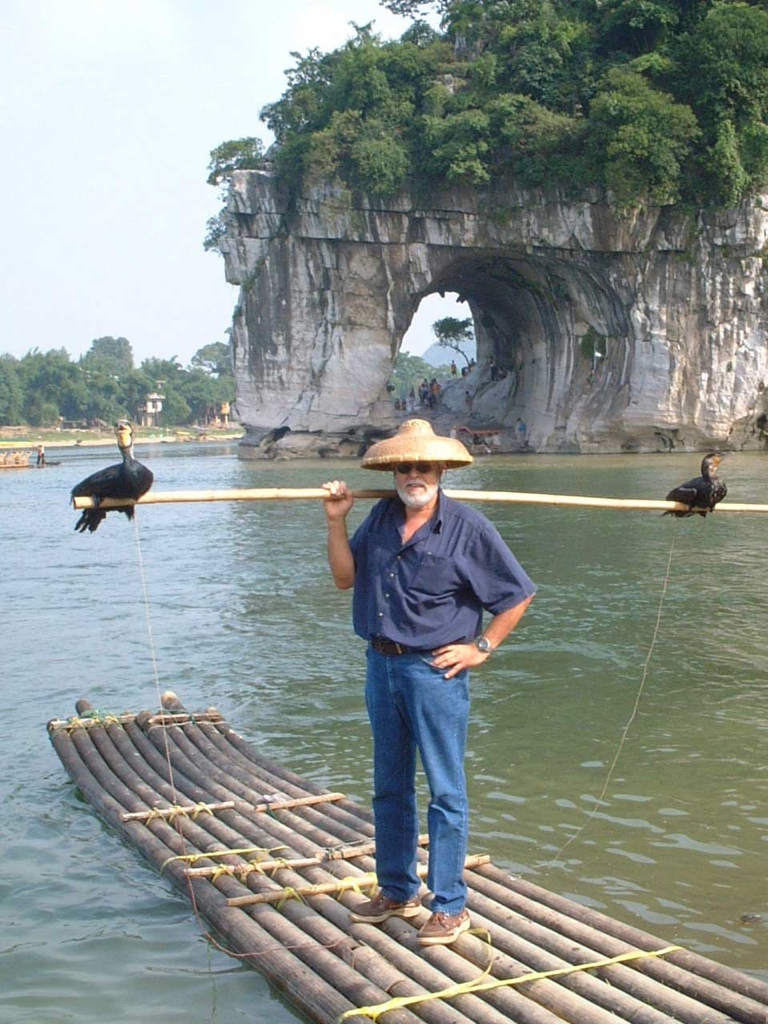
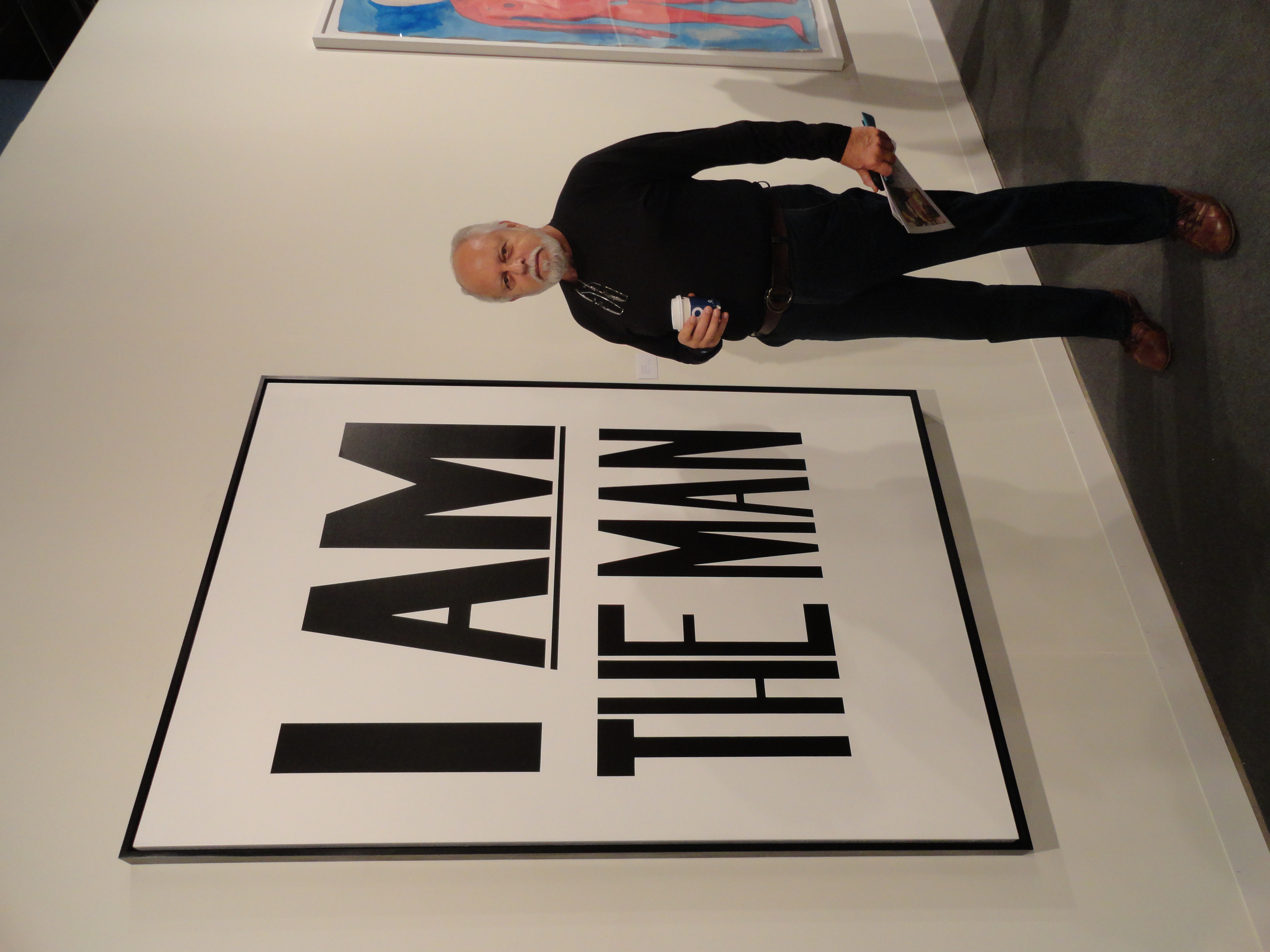
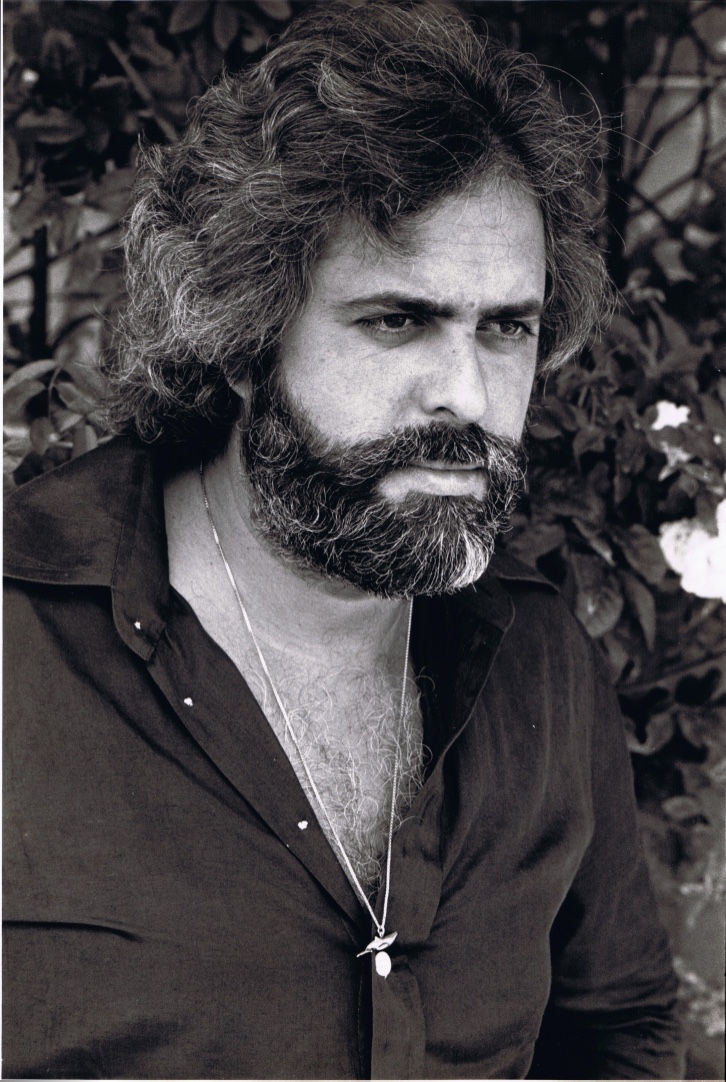
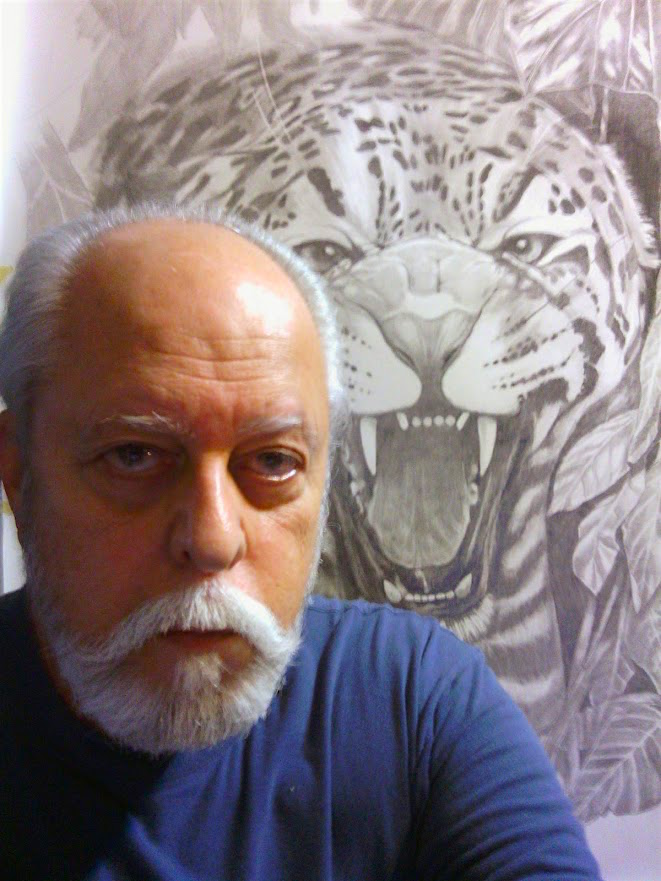
Andrés Pruna, better known in the art and documentary world as Andy Pruna, was born in Havana, Cuba, in 1940. From early on, his life combined artistic drive with political upheaval. He began painting as a child and was already winning awards before his teens, a level of early recognition that set the course for a lifelong commitment to visual work.
He studied formal art at the San Alejandro Academy of Fine Arts in Havana. After leaving Cuba in 1959, he continued his training in the United States, studying at Eaglebrook School in Massachusetts and later at the National Academy Museum and School of Fine Arts in New York City.
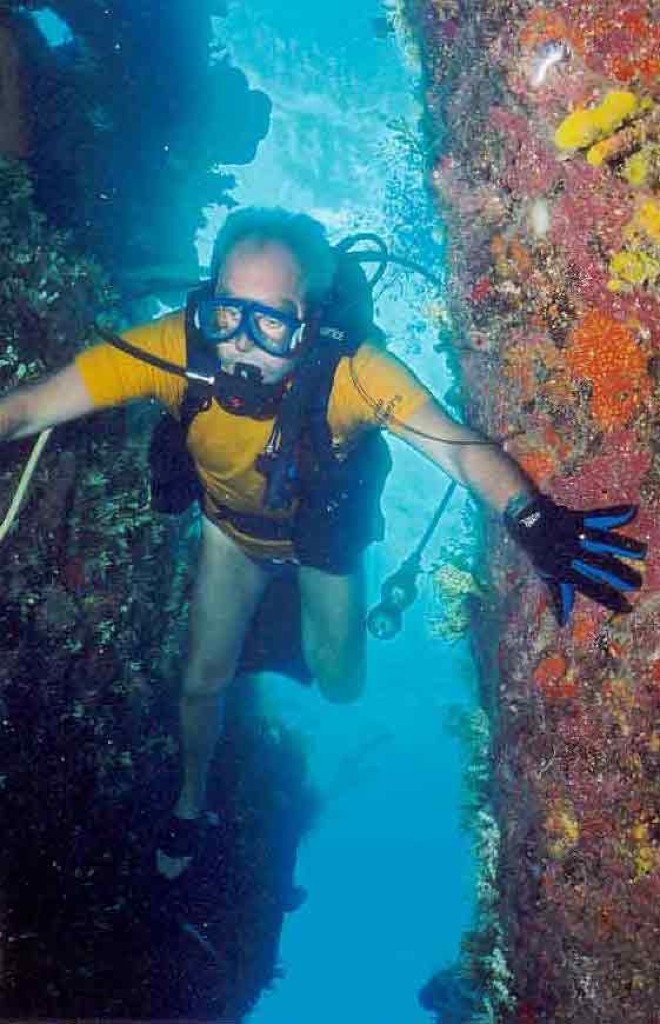
Andy’s artistic path changed direction because of historical events. When his father and brother were detained as political prisoners after the Cuban Revolution, he joined Brigada 2506, the force involved in the Bay of Pigs invasion, and served as an executive officer with underwater demolition teams. This period introduced him to high risk diving operations and technical underwater work, the first of many points where art and danger overlapped in his career.
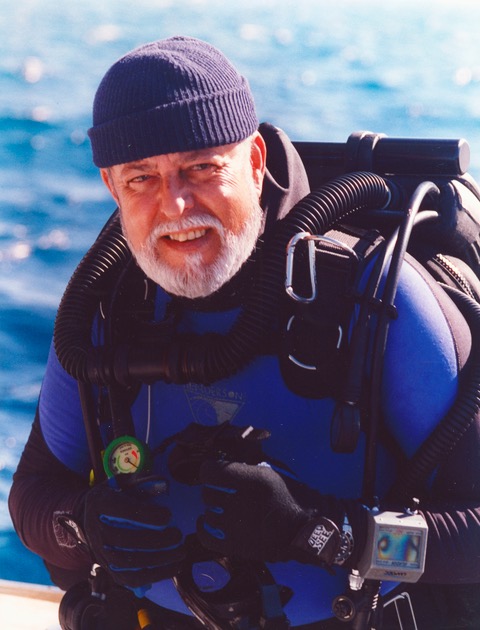
In the 1960s and 1970s Andy deepened his work at sea. He was one of a small group of divers trained by the U.S. Navy to live and operate at extreme depths under the Man in the Sea program, an early precursor to modern saturation diving. His role included producing scientific drawings and illustrations for oceanographic research, combining field science with precise visual documentation.
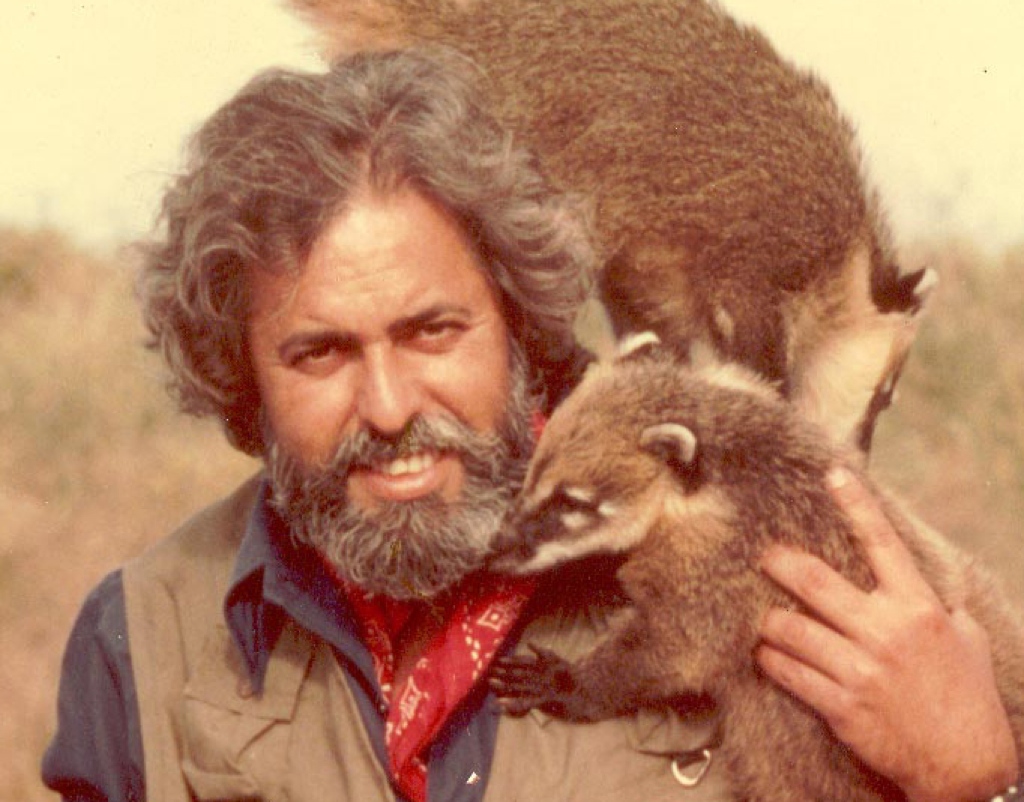
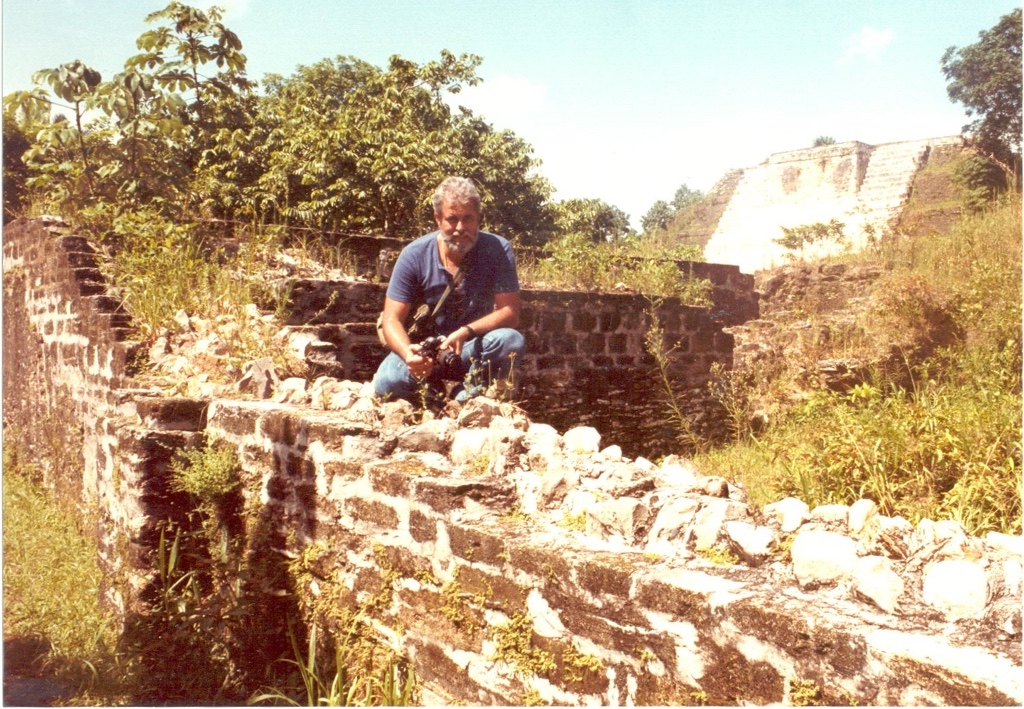
By the mid 1960s Andy was working as a contract photographer for National Geographic, a position that took him across the globe, including both polar regions. His assignments focused on difficult and remote natural subjects such as pack ice, isolated islands, and open ocean wildlife.
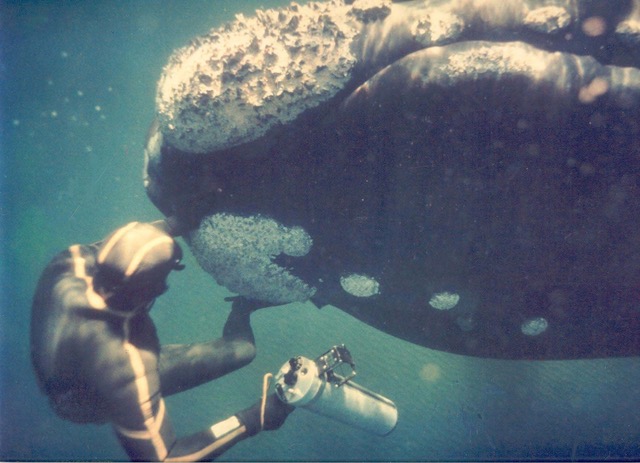
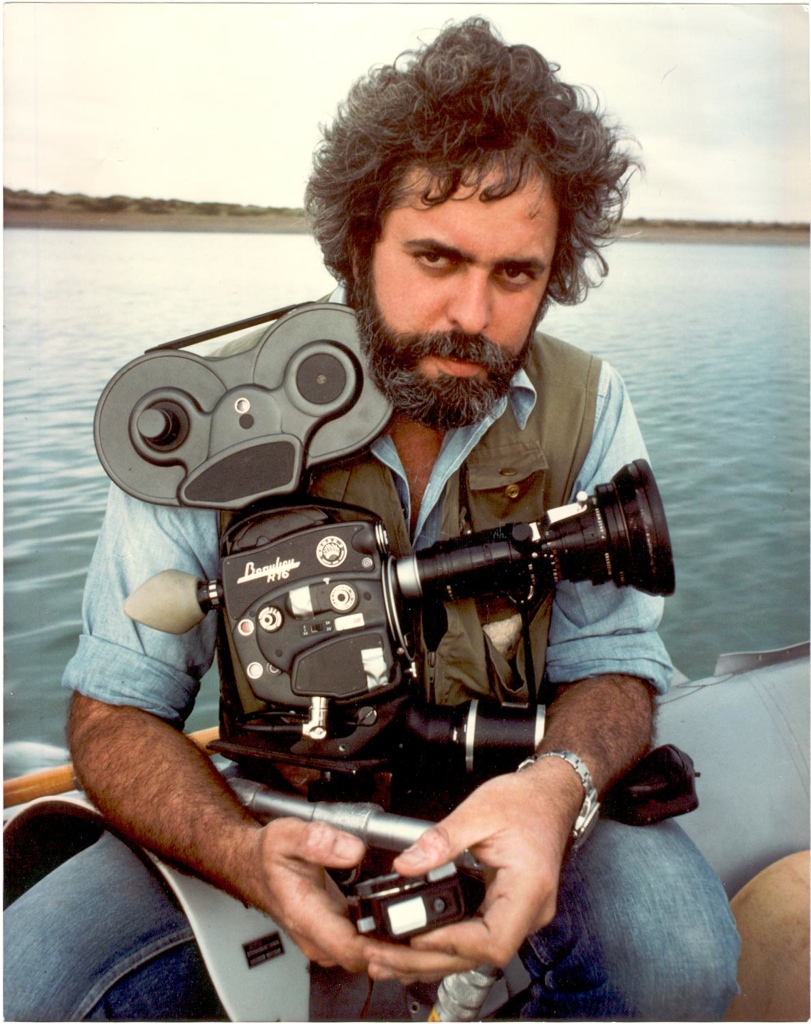
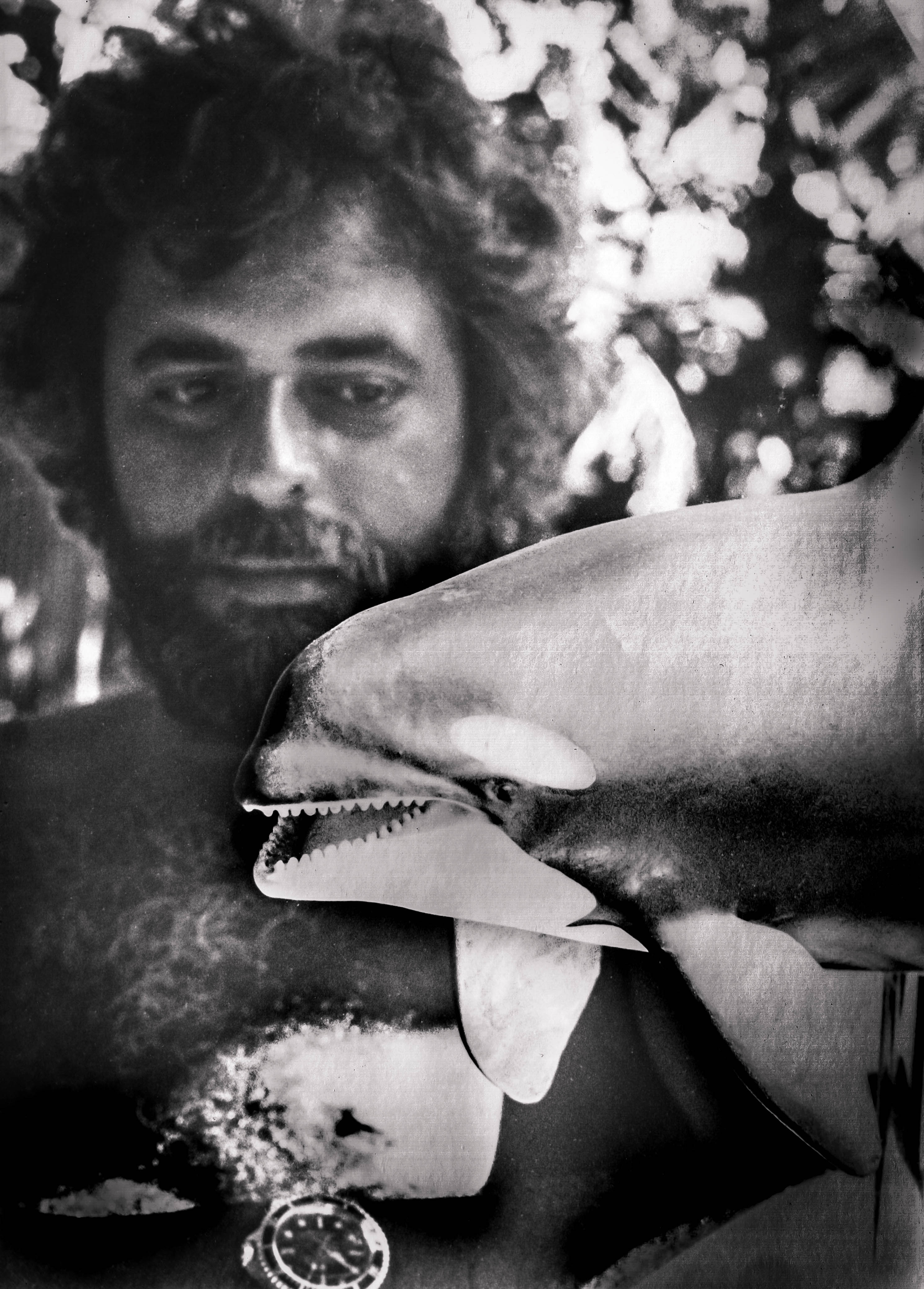
In the early 1970s he moved into documentary filmmaking. Andy filmed rare whale behavior in the wild and was among the first to capture an orca attack on a sea lion colony on camera. That footage expanded what audiences had previously seen in natural history film.
In 1973 his film A Prospect of Whales gained international recognition. When it aired through the BBC Natural History Unit, it drew record audiences and at one point outperformed programs by Jacques Cousteau, which was unusual for the period.
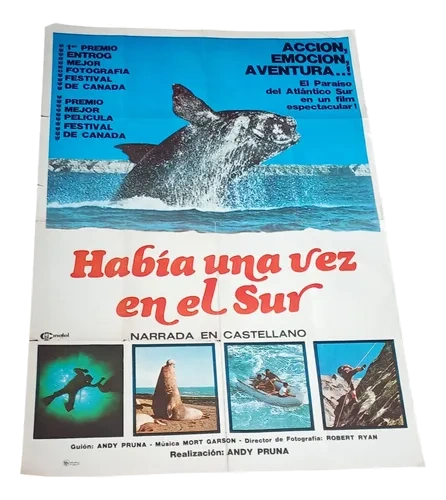
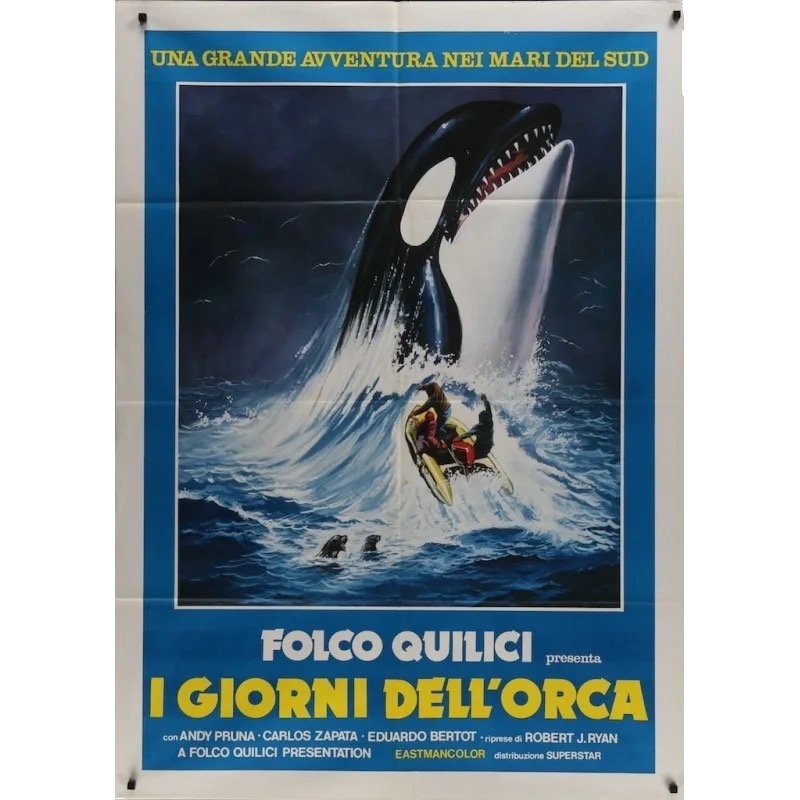
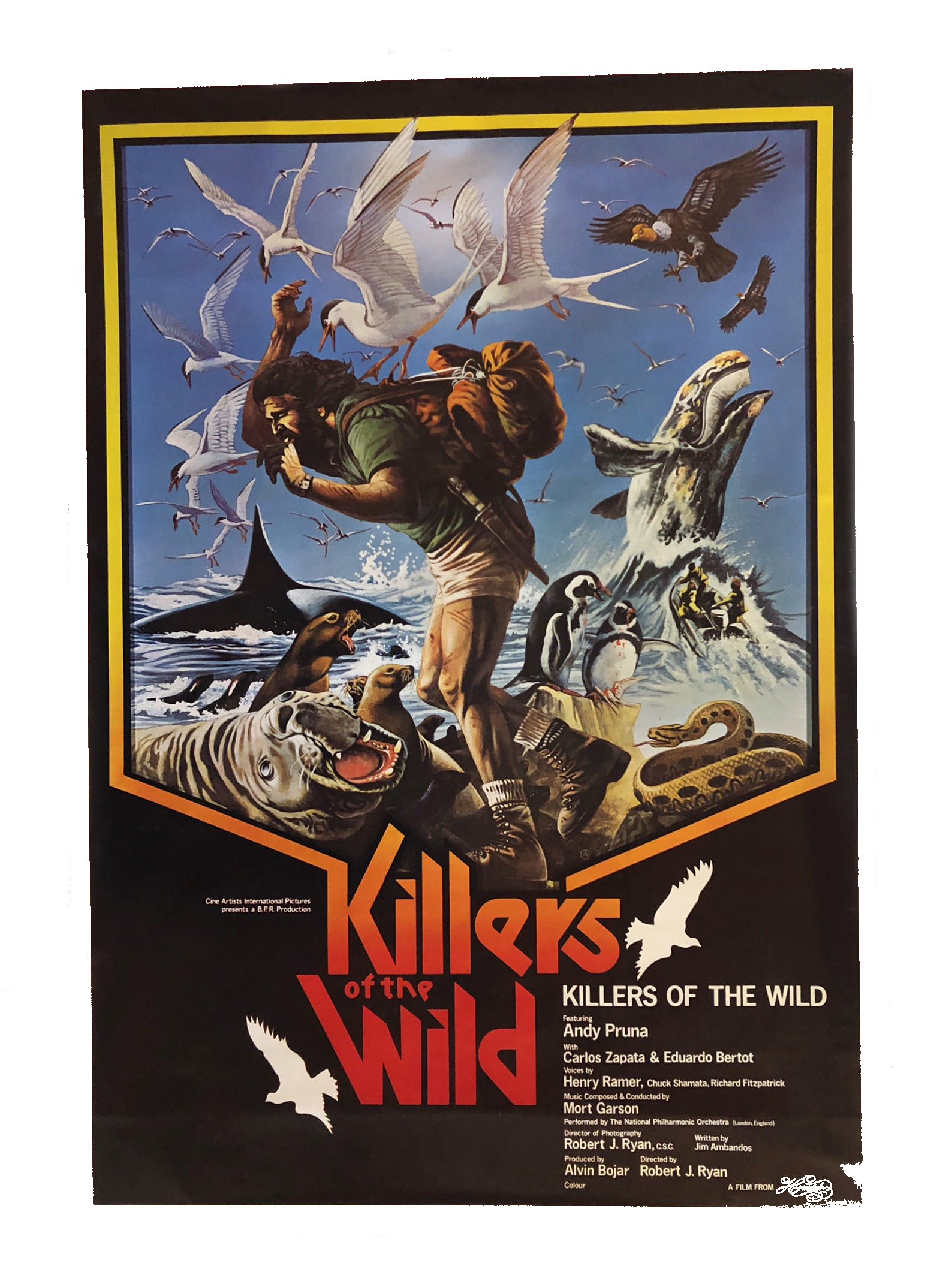
A major milestone came in 1977 with the feature documentary Killers of the Wild (Había Una Vez en el Sur). The film examined the marine and land wildlife of Patagonia years before the region became widely known to global audiences. It received Canada’s Etrog Award for Best Photography, later known as the Genie Award, earned the Director’s Choice at the Miami International Film Festival, and was nominated for the Silver Bear at the Berlin Film Festival.
Alongside his expedition and film work, Andy maintained an active career as a painter and exhibiting artist. His work has appeared in galleries from Madison Avenue in New York, where he sold work while still a teenager, to major exhibitions in Miami and Los Angeles. A retrospective exhibition titled De rerum natura highlighted how his painting, photography, drawing, and film work are tied to long term observation of the natural world.
Today Andy lives in Miami, Florida, where he continues to paint and manage a large personal archive of images built from decades of travel and field production, estimated at more than seventy thousand photographs.